
Beating mould and dampness
Simple habits that prevent moisture build-up, plus when it’s the landlord’s job to fix.
Why damp happens
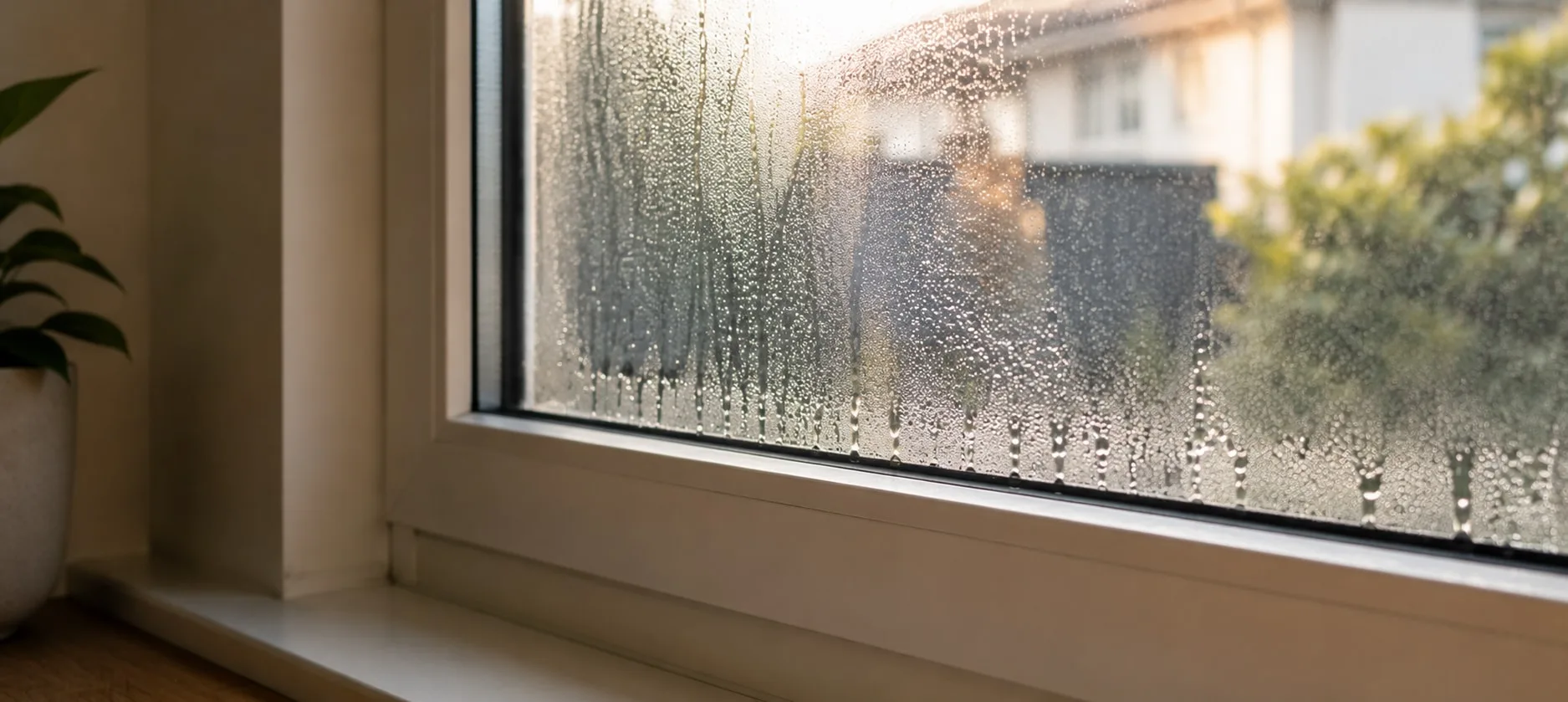
Most mould comes down to moisture that has nowhere to go. Everyday living, cooking, showering, drying clothes, even breathing, releases water into the air, and without ventilation it settles on cold surfaces as condensation. In a poorly ventilated or under-heated home that moisture builds up fast, creating the damp conditions mould needs to take hold on walls, ceilings and around windows.
Everyday prevention
Small habits make a big difference. Open windows daily to let moist air out, run extractor fans during and after cooking and showering, and wipe down sills and any condensation in the morning. Dry washing outside or in a ventilated room rather than over furniture, and leave a gap between large furniture and exterior walls so air can circulate behind it.
Heat smart to stay dry
A warm home is a dry home. Heating the spaces you use, even gently and steadily, keeps surfaces above the temperature where condensation forms. Make the most of any fixed heater your home must provide under Healthy Homes, and let the sun in during the day. Consistent low-level warmth beats short bursts of high heat for keeping moisture down.
When to report it
Persistent or spreading mould, especially with a musty smell or water stains, often points to a building problem like a leak, poor ventilation or failed drainage. That’s the landlord’s responsibility to investigate and fix. Report it early and in writing with photos, the sooner it’s addressed, the less damage to your health, your belongings and the home.